
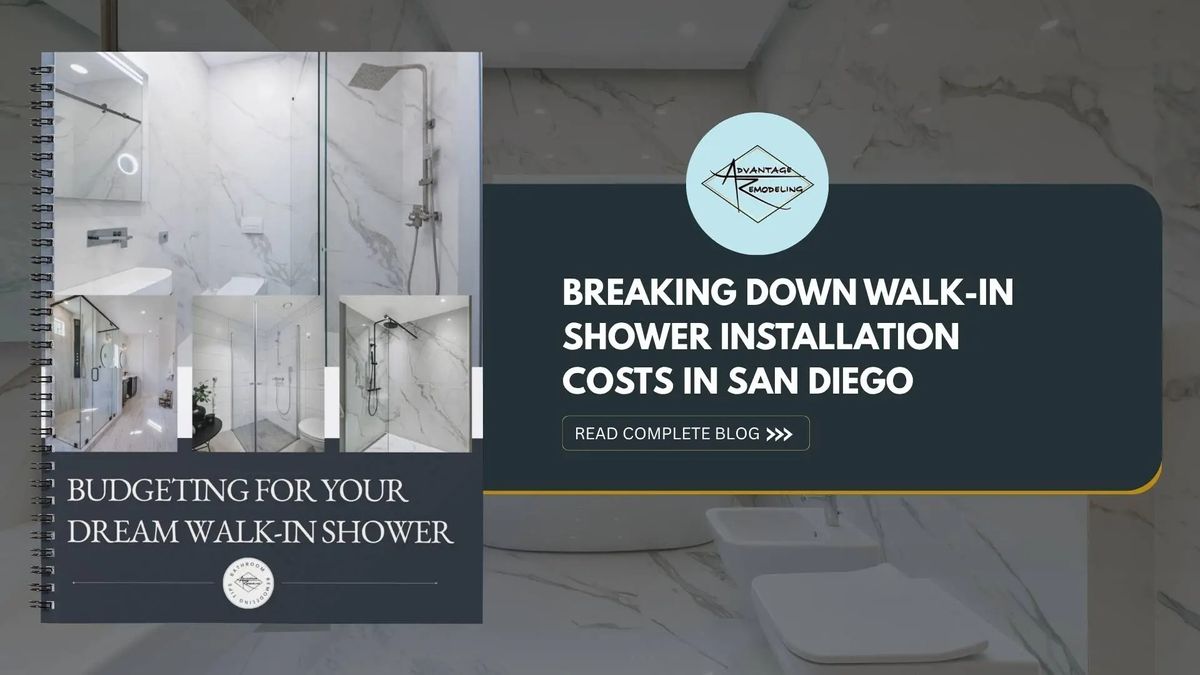
If you’re considering a bathroom upgrade, installing a walk-in shower can transform your space into a sleek, modern haven. But before jumping into the project, understanding the costs involved is crucial for planning your budget. The price to install a walk-in shower can vary widely depending on your design choices, materials, and additional features.
Here, we’ll break down the key components of walk-in shower costs, factors that influence the price, and tips to get the most value out of your investment.
The Average Cost of Installing a Walk-In Shower
The cost to install a walk-in shower typically ranges from $5,000 to $15,000. However, the total expense can fall outside this range depending on the scope of your project.
Budget-Friendly Installations (Approx. $2,000 – $5,000)
A basic walk-in shower may include standard materials like acrylic panels, prefabricated shower bases, and minimal customization. Labor costs are generally lower for simpler setups.
Mid-Tier Installations (Approx. $6,000 – $10,000)
A mid-range option might include custom tiling, upgraded showerheads, and semi-frameless or frameless glass enclosures. More intricate designs and higher-quality materials drive costs up.
High-End Installations ($12,000 or more)
Luxury walk-in showers often feature premium tiles (e.g., natural stone), custom glass, built-in seating, and advanced fixtures like rainfall showerheads or digital controls. Labor also tends to cost more for high-complexity installations.
Now that we’ve outlined the general range, let’s explore the factors that contribute to these costs.
Cost Breakdown of Installing a Walk-In Shower
Component Material Type/Details Estimated Cost Range
Shower Base / Pre-made or custom / $300 – $2,000
Wall Materials / Acrylic or fiberglass panels / $200 – $500
Ceramic tile walls / $1,000 – $3,000
Natural stone or high-end materials (e.g., marble) / $3,000+
Glass Enclosures / Framed shower door/enclosure / $400 – $1,000
Frameless glass door (custom fit) / $1,500 – $3,000
Showerhead and Fixtures / Basic fixtures (e.g., standard showerhead) / $50 – $200
Luxury fixtures (e.g., rainfall showerheads, body jets) / $300 – $1,000+
Additional Features / Built-in bench seats or niches / $300 – $600
Waterproofing materials and membranes (essential for tile showers) / $500 – $2,000
Labor Costs / Demolition and removal (if replacing an old shower) / $500 – $1,500
Plumbing adjustments / $500 – $2,000
Tiling installation for custom showers / $1,000 – $3,000+
Glass installation (especially custom panels) / $500 – $1,500
Note: The cost may vary based on current market rates. We recommend consulting your contractor for an accurate estimate.
Factors That Influence Walk-In Shower Costs
Shower Size
Larger showers require more materials and labor, directly impacting your costs. For instance:
– Standard walk-in shower (around 36” x 48”): Affordable, easier to build.
– Oversized/custom layouts (e.g., 60” x 72”): More expensive due to additional tiling, glass panels, and waterproofing.Design Complexity
Simple designs with straight walls and premade bases keep costs down, whereas custom-built showers with curved glass panels or intricate tile patterns demand more expertise and money.Materials
Opting for high-end materials like marble tiles or frameless glass will significantly increase your budget compared to standard acrylic panels and prefab enclosures.Location
Labor rates and material availability vary by region. Projects in metropolitan areas usually cost more due to higher contractor fees and demand.Accessibility Features
If you’re installing a walk-in shower to enhance accessibility (e.g., for aging-in-place purposes), expect added costs for features like:
Zero-threshold entries
Grab bars ($50 – $300)
Slip-resistant tiles
How to Save Money on Installing a Walk-In Shower
If you’re looking to manage costs without compromising quality, consider these tips:
Choose Prefabricated Options: Prefab shower kits and bases are budget-friendly and easier to install than custom designs.
Stick to Standard Sizes: Custom layouts increase expenses, so opt for sizes that fit standard enclosures.
Compare Quotes: Request detailed estimates from multiple contractors to find one that matches your budget and vision.
DIY Parts of the Project: While tasks like waterproofing or tiling should be left to professionals, simple jobs like painting walls or minor demolition can save money if done yourself.
Focus on Essentials: Consider skipping high-priced add-ons and focus on features that provide the most value.
Final Thoughts
Installing a walk-in shower can elevate your bathroom aesthetically and functionally—but prices vary widely based on your preferences and project specifics.
Whether you’re leaning toward a sleek and simple design or envisioning a luxury spa-like haven, understanding the cost components outlined here will help you budget effectively.
Take time to plan, and don’t shy away from consulting a reputable contractor like Advantage Remodeling to ensure your walk-in shower installation is completed to the highest standards.
When done right, it’s an investment that can improve both your home’s value and daily comfort!